

 by
by 
Semlor
If you love a good old-fashioned cream bun, you will love this Nordic version where the buns are infused with fresh cardamom, and filled with an almond paste and freshly whipped cream. It is an indulgent treat traditionally eaten on Shrove Tuesday (also known as Mardi Gras or Pancake Day), just before the start of Lent.
I first tried a Semlor bun when we visited Stockholm many years ago for New Year’s Eve, and I happened to find a bakery which was selling Semlor buns in January (much to my sister-in-law’s dismay!). Much like a King’s Cake at Epiphany or Hot Cross Buns at Easter, there is something special about eating these cakes in the week of the holiday itself, and not necessarily in the months leading up to the event. But as I had always wanted to try a Semlor, I was rather happy on this occasion to flout the rules 😉

What are Semlor?
Semlor (Semla for singular) is the name for Swedish yeasted buns filled with marzipan and cream, and which are traditionally eaten on Shrove Tuesday.
The Finnish also celebrate Lent with the same buns (called Laskiaispulla), but they typically fill their buns with strawberry jam or raspberry jam instead of the almond paste.
Semlor are, in fact, very similar to Australian-style Cream Buns, but the best Semlor are those made with the addition of fresh cardamom in the dough for that distinct Nordic touch.
I have always loved Cardamom Buns which are popular throughout Sweden, Denmark and Finland. And after visiting Finland in the summer of 2024, where I got to sample many local baked treats with cardamom, I am more than happy to trade a plain bun for one heady with cardamom.

Semlor Recipe
My recipe for Semlor is very similar to my recipe for Cream Buns, but with the addition of fresh cardamom in the dough.
A traditional Semlor is filled with an almond paste, which is included in my recipe below. But an easier version is to use strawberry jam or raspberry jam, like they do in Finland. Last year, I experimented with a homemade pistachio paste which was absolutely delicious, so I have included the recipe for that below also.
If time is on my side, I like to make a variety of fillings, mostly because my kids love these buns with jam most, whilst I love the subtle sweetness of the marzipan.
If you are not a fan of cardamom, you can, of course, make the buns plain; this version exists too in Sweden.
How to Make Semlor
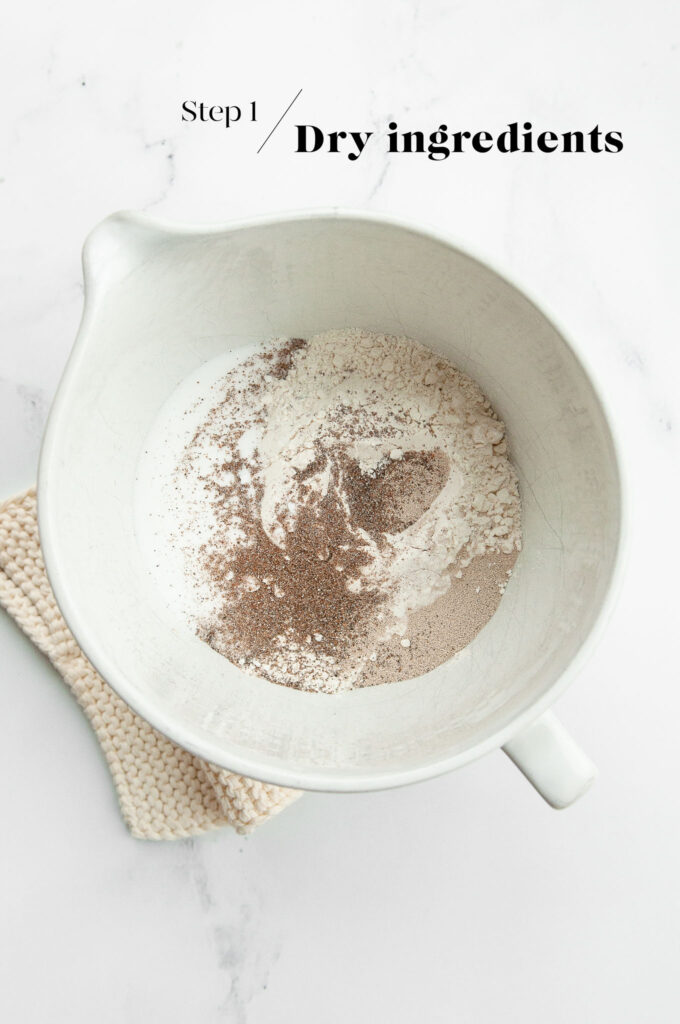
Step 1
Measure the flour, sugar, yeast, salt and cardamom into the bowl of an electric stand mixer. Lightly mix the ingredients together.
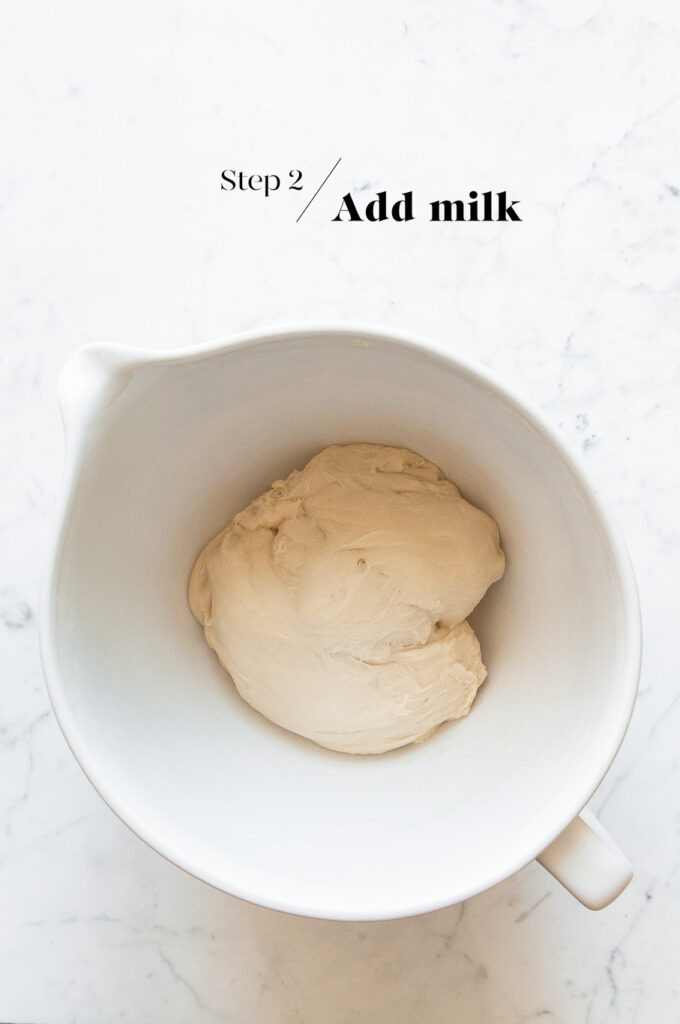
Step 2
Slowly add the warm milk (you may not need all of it), and lightly beat everything with the dough hook until it comes together into a large ball of dough. Only add as much milk as you need to bring the ingredients together into a dough.
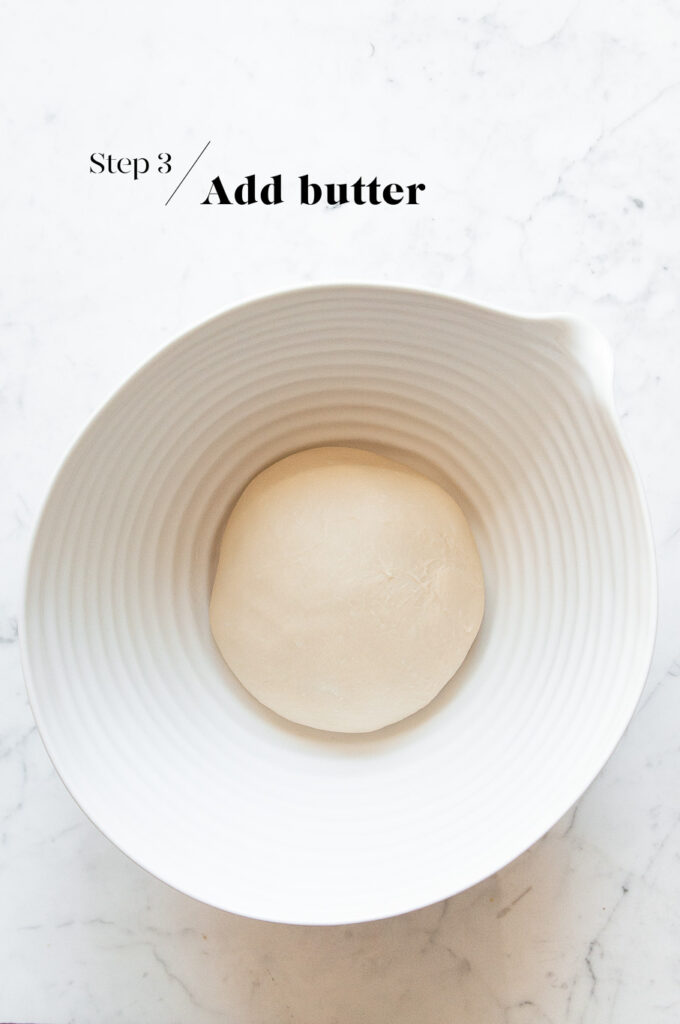
Step 3
Slowly incorporate the butter, one tablespoon at a time, until all of the butter has been used.
Then increase the speed to medium and continue kneading with the dough hook for 15 to 20 minutes, or until the dough is smooth and elastic.
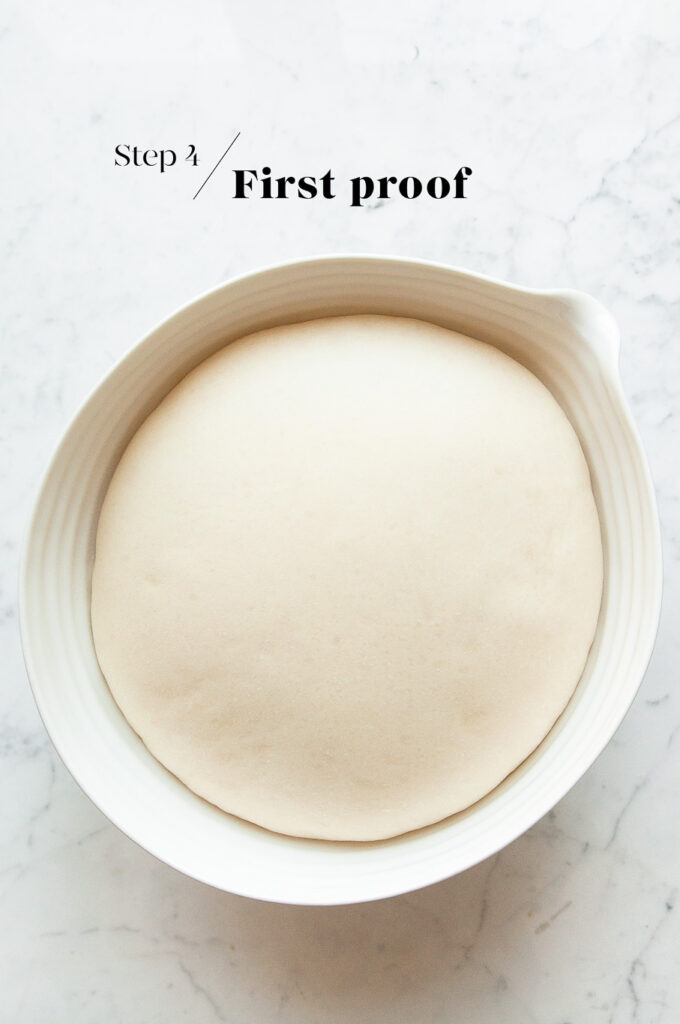
Step 4
Lightly oil a large mixing bowl, and place the dough into the bowl. Cover the bowl with a clean tea towel and leave it somewhere warm for 1 to 1.5 hours, or until the dough has doubled in size.
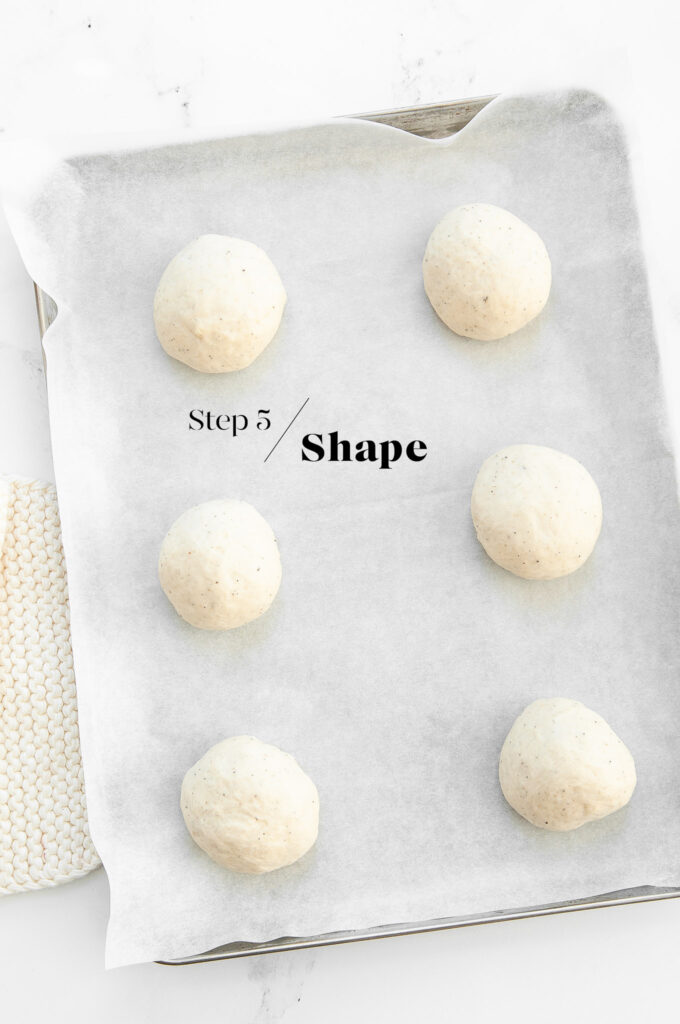
Step 5
Once the dough has doubled in size, gently remove the dough from the bowl. The dough will deflate as you handle it.
Line a large baking tray with baking paper.
Weigh the dough, and divide this number by 12, and then portion each piece of dough.
Gently roll each piece of dough into a round ball and place them onto the lined baking tray, spaced apart.
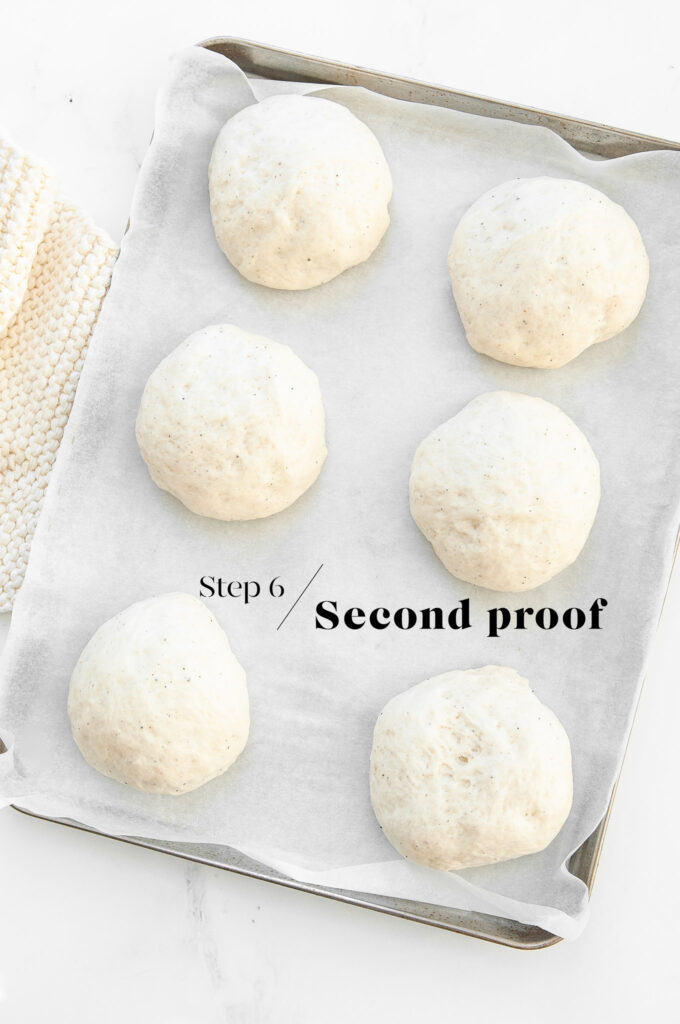
Step 6
Place the tray somewhere warm for about 30 minutes, or until the buns have risen and puffed slightly. (They will continue to rise just a bit more in the oven during baking.)
Meanwhile, preheat the oven to 220°C (428°F).
Once your buns are ready to bake, brush them with some egg wash.
Step 7
Bake the buns for about 25 minutes, or until the buns are lightly golden and cooked through. If you have a digital thermometer, the internal reading should be at least 85°C (185°F).
I recommend checking at about 10 minutes, and if the buns have already browned nicely, place a piece of foil over the buns to stop them from browning further while they finish baking.
Place the buns on a wire rack and let them cool completely.
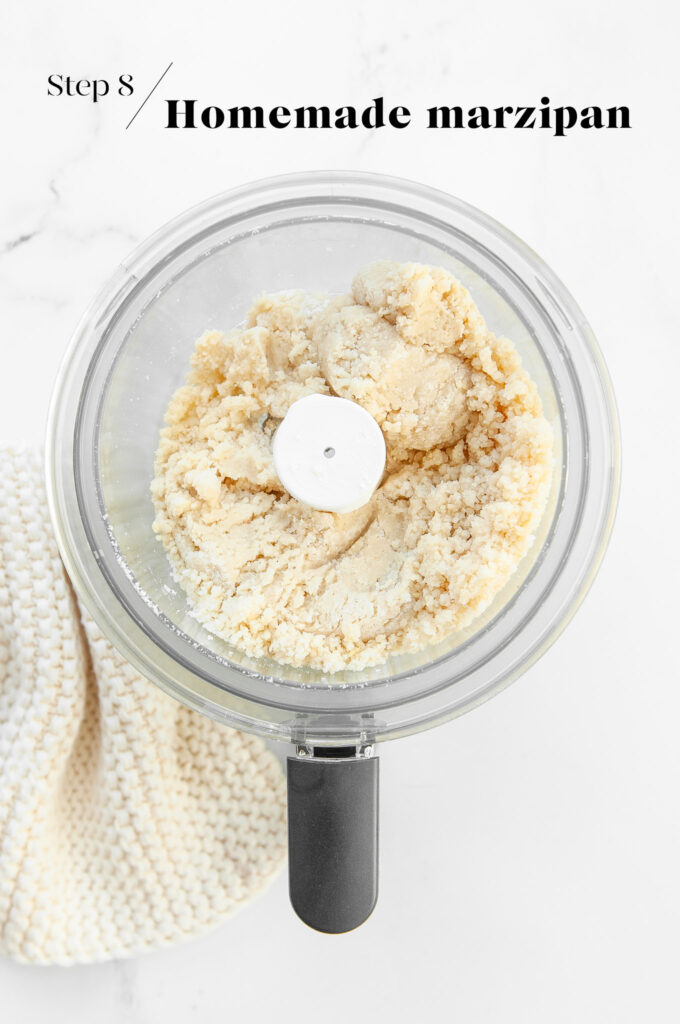
Step 8
Meanwhile, make the marzipan by placing all of the ingredients into the bowl of a food processor, and blitz until you have a smooth paste. Transfer the marzipan to a large bowl.
To make an almond marzipan, use finely ground blanched almonds. To make a pistachio marzipan, use raw pistachios.
Step 9
Slice about 1/3 off the top of each bun. You can leave the tops as they are, or trim them into a triangle shape. Discard the trimmings.
Then use a knife or serrated spoon to create a cavity in the middle of each bun, and scoop out this part of the bun.
Roughly tear up the bun filling into the bowl of marzipan. Mix everything together with enough milk to loosen the mixture into a spreadable paste.

Step 10
Place 1 tablespoon of marzipan filling into the cavity of each bun, and use the back of the spoon to spread it evenly.
An alternative to marzipan filling is strawberry jam (as they do in Finland), and lemon curd is also delicious. I often make both almond marzipan and pistachio marzipan for a bit of variety.
Step 11
Whip the cream until it is thick with soft peaks. Fit a large piping bag with a star nozzle (optional), and fill the bag with the cream. Pipe the cream all over each bun. Top with the reserved triangle lids, and dust lightly with icing sugar (powdered sugar).


Tips for Making Bread Dough Ahead of Time
I love baking bread, but I don’t love getting up extra early to get started on the dough. So I typically make the dough the night before and allow it to rise slowly in the fridge overnight. The longer proofing time has the added benefit of allowing the dough to develop more flavour and a better texture. Come the morning, the dough will have at least doubled in size, and it will be ready for shaping as per the recipe.
To make the dough the night before:
- Make the dough as per the recipe.
- Place the dough into a large oiled bowl.
- Cover the bowl with plastic wrap or a reusable bowl cover.
- Place the bowl into the fridge.
- Let the dough rise overnight, or for at least 8-10 hours.
- The next morning, the dough should have at least doubled in size.
- Gently remove the dough from the bowl.
- The dough is ready for shaping and the second proof as per the recipe.
- As the dough will be cold from the fridge, the second proof may take slightly longer.


Semlor with Pistachio Marzipan

Ingredients
For the Buns
- 600 g (4 cups) white bread flour
- 110 g (½ cup) caster sugar, (superfine sugar)
- 6 g (1 teaspoon) fine salt
- 1 teaspoon cardamom seeds, freshly ground
- 14 g (4 teaspoons) instant dried yeast , (see Kitchen Notes below)
- 375 ml (1 ½ cups) milk, warmed to 37°C (98°F)
- 60 g (4 tablespoons) unsalted butter, softened
For the Egg Wash
- 1 egg, lightly beaten
- 15 ml (1 tablespoon) milk
For the Pistachio Marzipan
- 100 g (1 cup) raw pistachios , (or use finely ground almonds for an almond marzipan)
- 50 g (¼ cup) caster sugar, (superfine sugar)
- 50 g (⅓ cup) icing sugar, (powdered sugar)
- ½ teaspoon almond extract, optional
- ½ egg white
To Decorate
- 2-3 tablespoons milk
- 500 ml (2 cups) double cream, (whipping cream)
- icing sugar, (powdered sugar) for dusting
Instructions
To Make the Dough
- Measure the flour, sugar, salt and yeast into the bowl of an electric stand mixer.
- Lightly mix the ingredients together using the dough hook.
- Slowly pour in the warm milk, and continue mixing until everything comes together into a rough dough.
- Add the butter, one tablespoon at a time. Once the butter has been fully incorporated into the dough, add the next tablespoon of butter.
- Once all of the butter has been added, continue kneading the dough on medium speed for about 15 to 20 minutes.
- The dough is ready when it is soft and smooth, and no longer sticks to the side of the bowl. The dough will be somewhat sticky from the butter.
First Proofing Session
- Lightly oil a large mixing bowl.
- Place the dough inside the bowl.
- Cover the dough with a clean tea towel, plastic wrap, or a reusable bowl cover.
- Leave the dough somewhere warm for 1 to 1.5 hours, or until the dough has doubled in size (see Kitchen Notes below).
To Shape the Dough
- Once the dough has doubled in size, gently remove the dough from the bowl. The dough will deflate as you handle it.
- Pat the dough into a round shape.
- Portion your dough into 12 equal pieces. If you have some kitchen scales, weigh the dough and then divide this number by 12. This will be the weight of each bun dough.
- Line a large baking tray with a sheet of baking paper.
- Gently shape each piece of dough into a round ball.
- Place the balls of dough onto the lined baking tray, spaced apart.
For the Second Proofing Session
- Place the tray somewhere warm for about 30 minutes, or until the buns have risen and puffed up slightly.
- Meanwhile, preheat the oven to 220°C/428°F (without fan).
- Place a metal baking tray in the middle of the oven.
- Make the egg wash by lightly whisking together the egg and milk.
To Bake the Buns
- Brush the buns with some egg wash.
- Bake for about 25 minutes, or until the buns are lightly golden. Check the buns at about 10 minutes, and if they are browning too quickly, cover them with a loose sheet of foil for the rest of the baking time.
- The buns are cooked if an internal thermometer reads 85°C (185°F).
- Gently remove the buns (intact) to a wire rack, and leave them to cool completely.
To Make the Marzipan
- Place all of the ingredients into the bowl of a food processor.
- Blitz until you have a smooth paste.
- Transfer the paste to a large bowl and set aside.
To Assemble the Cream Buns
- Use a serrated knife to slice off about 1/3 off the top of the buns.
- Cut the tops into a triangle shape by trimming the edges.
- Discard these edges but keep the triangle “lids”.
- Use a knife or serrated spoon to create a cavity in the middle of each bun, and scoop out about 1/3 of each bun.
- With the bun dough which you have scooped out, roughly tear them up into small pieces and add them to the bowl of marzipan.
- Use a spoon to mix the dough pieces into the marzipan, adding as much milk as needed to loosen the mixture into a spreadable paste.
- Place about 1 tablespoon of marzipan filling into the cavity of each bun, and use the back of a spoon to spread it evenly.
- Whip the cream until you have soft peaks. Fit a large piping bag with a star nozzle, and fill the bag with the cream. Pipe the cream on top of the buns.
- Place the triangle lids on top of each bun.
- Dust lightly with icing sugar (powdered sugar).
- Serve immediately.
Kitchen Notes
- WHAT TYPE OF CARDAMOM TO USE
* For the best (and most authentic) results, use freshly-ground cardamom seeds (also called decorticated cardamom seeds). Simply grind them to a fine powder to use in the dough and filling. Use a more coarse grind for sprinkling on top of the wreath.
* Alternatively, use the same quantity of regular ground cardamom, or add more to taste. - MAKE AHEAD TIPS
To start the dough the night before, make the dough as per the recipe. Place the bowl of dough (covered) in the fridge to proof overnight, or for at least 8 to 10 hours. During this time, it should have at least doubled in size. The next day, proceed with the rest of the recipe. As the dough will be cold, it may require a bit more time for the second proofing period. - DIFFERENT TYPES OF FLOUR
* For Swiss readers: I use Zopfmehl (or farine pour tresse) when making bread and enriched dough. - DIFFERENT TYPES OF YEAST
* Please note that there is a difference between instant yeast (also called instant dried yeast or fast-action dried yeast) and dried yeast (also called active dry yeast). If you are not sure what type of yeast you have, please check the packaging for instructions on how to use the yeast.
* With instant yeast, you can add it directly to the flour mixture without having to activate it first.
* With dried yeast, you will need to activate it first (usually in some warm liquid).
* If you are using fresh yeast, you will need about 1 block (40 g fresh yeast = 14 g instant dried yeast). Crumble the fresh yeast into the warm milk, and stir to dissolve the yeast. - PROOFING THE DOUGH
Dough needs a warm environment for the yeast to activate and cause the dough to rise. If you don’t have an oven with a setting to proof dough, or a warm place in your home, try one of the following ideas:
* In the oven with the oven light switched on (works only for some ovens).
* In the oven with a tray of boiling water on the bottom shelf.
* In the oven or a steamer oven at a low temperature of about 25-40°C (77-104°F). - OVEN & STOVE TEMPERATURES
All recipes on this website have been tested on an induction stove and/or with a conventional oven (i.e. an oven without fan). All recipes on this website use temperatures for a conventional oven, unless otherwise mentioned. Convection ovens (i.e. fan-forced ovens) are typically 20°C/70°F hotter than conventional ovens, but please check your manufacturer’s handbook. - CONVERSIONS
To convert from cups to grams, and vice-versa, please see this handy Conversion Chart for Basic Ingredients.


I was looking for a recipe for pistachio marzipan and found your recipe. I wasn’t planning on making Semlor but the mention of cardamom won me. Absolutely delicious! Next year, I will make them in time for Shrove Tuesday ha ha!
Hi Angela,
I won’t tell anyone that you made Semlor in April 😉 But I’m sure it’s totally fine to do so 😉
Delicious recipe! The cardamom buns were nice and soft and very delicious.
Hi Ewa,
So glad you enjoyed this recipe!