

Japan Travel Tips
 posted by Thanh | Eat, Little Bird on September 7, 2026
My Travel Tips for Japan
- Travel To and From the Airport in Tokyo
- Luggage Transport within Japan
- Pack Lightly
- Buying a Suica Card in Japan
- Using Google Maps in Japan
- Using Uber in Japan
- Using Cash or Card in Japan
- Japan with Kids
- Eating Out in Japan
- Takeaway Food in Japan
- Stationery Stores in Japan
- Personalised Onitsuka Tiger Shoes in Tokyo
- Cup Noodle Factory
- Visiting Temples in Japan
Travel To and From the Airport in Tokyo
Travelling on public trains in Japan with large suitcases is generally frowned upon because they take up a lot of space, especially during peak hour. It is also worth mentioning that many of the exits and entrances to the metro are via stairs; lifts and escalators are sometimes available, but it takes some local knowledge to know where they are.
If you are travelling with friends or family, and/or you have several pieces of luggage, I recommend booking a private car transfer via Klook where a driver will pick you up from the airport and take you directly to your hotel. You can choose the size of the car depending on how many people you are travelling with, as well as how much luggage you have.
Depending on the time of day and where you are staying within Tokyo, a trip from Narita or Haneda will cost about CHF 85/USD 100, although Narita is further away from the city.
Luggage Transport within Japan
If you are travelling within Japan, such as taking the Shinkansen from Tokyo to Kyoto, it is worth using a luggage forwarding service to transport your suitcases between hotels. You can even send your luggage from the hotel to the airport. This allows you to travel more lightly on public transport, whilst all of your large and bulky suitcases can be handled by a carrier service.
The most popular service provider in Japan is Yamato and they work with most hotels (although check with your hotel first), as well as most convenience stores.
There is usually a cut-off time in the morning by when you need to check-in your luggage (check with your hotel reception), and the time required to deliver your luggage to your next hotel will depend on the distance, but usually within 24-48 hours. There is a fee per suitcase, which will vary according to the size.
This generally means that you might need to travel with a small carry-on suitcase or a large backpack with a few change of clothes and your toiletries, enough to tide you over until your luggage arrives at the next destination.
Although we always had punctual service with Yamato, I still recommend placing an Airtag in each suitcase to track their location.
Pack Lightly
Whilst this should be the rule no matter where you are travelling, it is particularly helpful for Japan. Following on from the previous topic of using a luggage forwarding service in Japan, you will realise how much better it is to travel lightly because it is inconvenient to travel with bulky suitcases in Japan.
Pack lightly so that you have enough space in your suitcase – or an additional empty suitcase – for all of your purchases in Japan, which you will undoubtedly make because of the weak Yen. If you plan to buy clothing from Uniqlo and Muji (both are popular tourist shopping spots), then pack less of the items you intend to buy. The same goes for socks and shoes.
Many hotels provide pyjamas for you to wear (generally just for adults) and which is collected with the towels by housekeeping. They also provide a wide range of toiletries, so just pack the necessary toiletries which you need.
Some hotels have laundry facilities on-site, or they can direct you to the nearest laundromat.
Buying a Suica Card in Japan
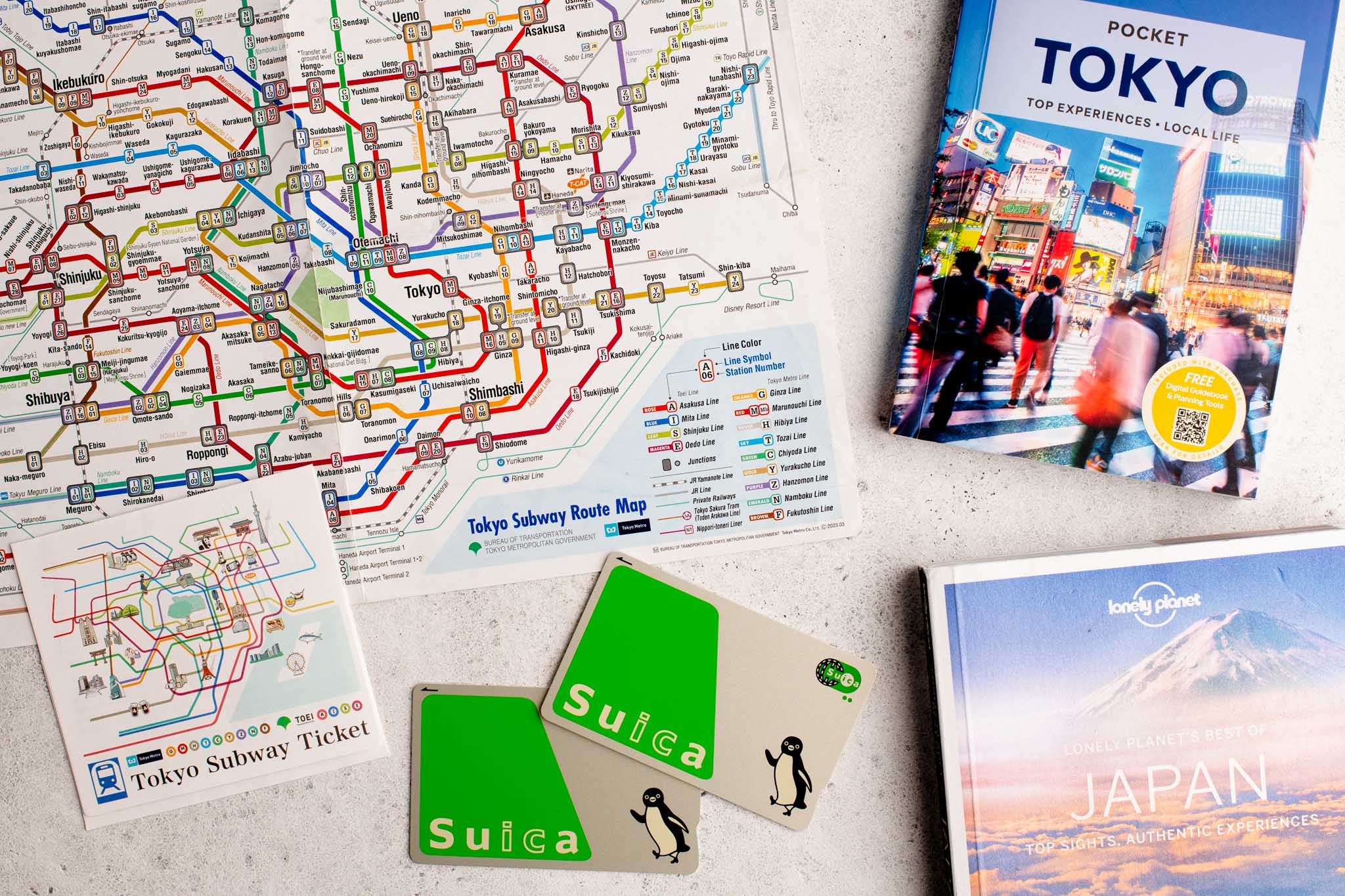
If you plan to use the buses and trains in Japan, it is worth buying a transportation card – called a “Suica” card – rather than buying individual tickets.
This is a very confusing and unnecessarily complicated process. At the time of writing (August 2026), you could only purchase physical Suica cards for adults from the machines at the train stations using cash.
To purchase Suica cards for kids (up to age 11), you have to go to a customer service counter, and you can only pay by cash. In addition, a passport ID is required to purchase a kids Suica card.
For adults, I highly recomend purchasing a digital Suica card on your phone, which you can also load with money from your digital wallet. This process is fairly easy and straightforward, and you can see at a quick glance the balance remaining on your card.
Once you have the physical Suica cards, you can top them up with money at most machines at the train stations, but only with cash. Your Suica card can also be used for payments in some stores, at vending machines and lockers at train stations.
Using Google Maps in Japan
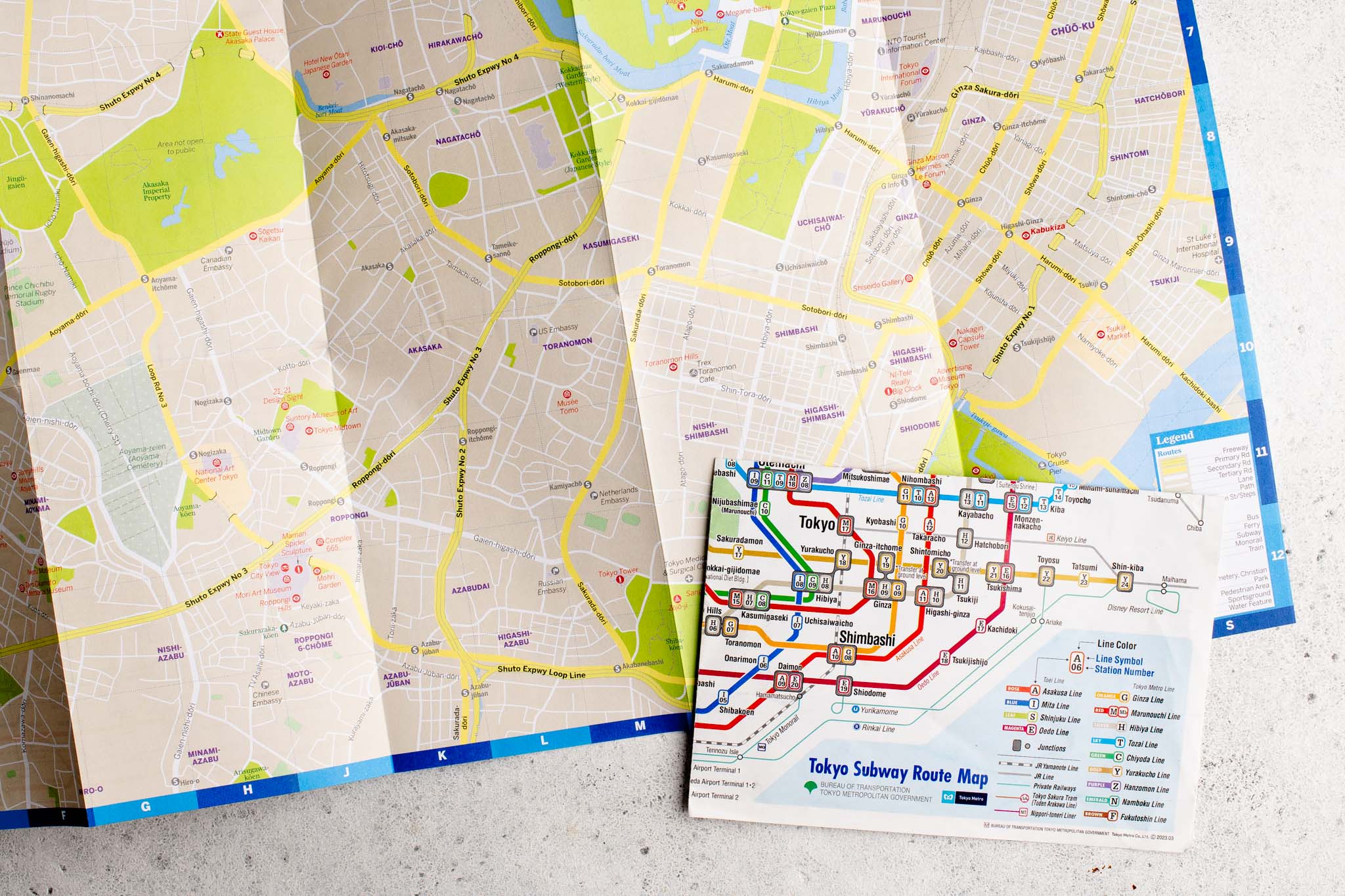
I found Google Maps to be excellent for finding directions in Japan, as well as planning itineraries.
- I use Google Maps to save places I have visited, as well as places I want to visit (I use a different icon for each category). Follow these instructions on how to save your favourite places on Google maps. This then gives you a nice overview of where things are relative to your hotel or position on the map, which can help you to plan your itinerary, such as visiting attractions in the same area on the same day.
- Google Maps is also excellent for giving directions for public transport, including which entrances/exits to take.
- Google Maps will also give you an estimate of how much the trip will cost on your chosen mode of transport, which is helpful if you need to top up your Suica card.
Using Uber in Japan
Although public transport is excellent in Tokyo and Kyoto, there are times when you might want to use Uber to get to your destination, such as if you need to get somewhere quickly. If you are travelling with a pram or stroller, you might also prefer to travel by Uber or taxi, as there are stairs in almost all train stations. If you are familiar with the Uber app, you can see in advance what the cost of the trip will be.
Using Cash or Card in Japan
You can use credit cards throughout Japan, but you might need to alert your bank in advance that you are travelling overseas, otherwise they may block your card if they think it is being used without authorisation.
You should also remember the PIN code for your credit card, even if you don’t need to use it for purchases in your home country.
It is also worth withdrawing some cash once you are in Japan as some smaller shops (especially food stalls and small restaurants) only accept cash. Gachapon arcades also require cash payment, typically notes which you can exchange for coins.
When withdrawing cash from ATMs, some machines only accept local Japanese cards. Look for the signs displayed around the terminal to see if it accepts Visa, Mastercard or whichever card you own. You can also withdraw cash at most convenience stores.
If, at the end of your trip, you have a lot of leftover notes and coins, consider making a purchase at a store like Muji or Daiso where you can use the self check-out terminals which will at least relieve you of the heavy coins. However, some terminals have a limit on how many coins you can use.
Japan with Kids
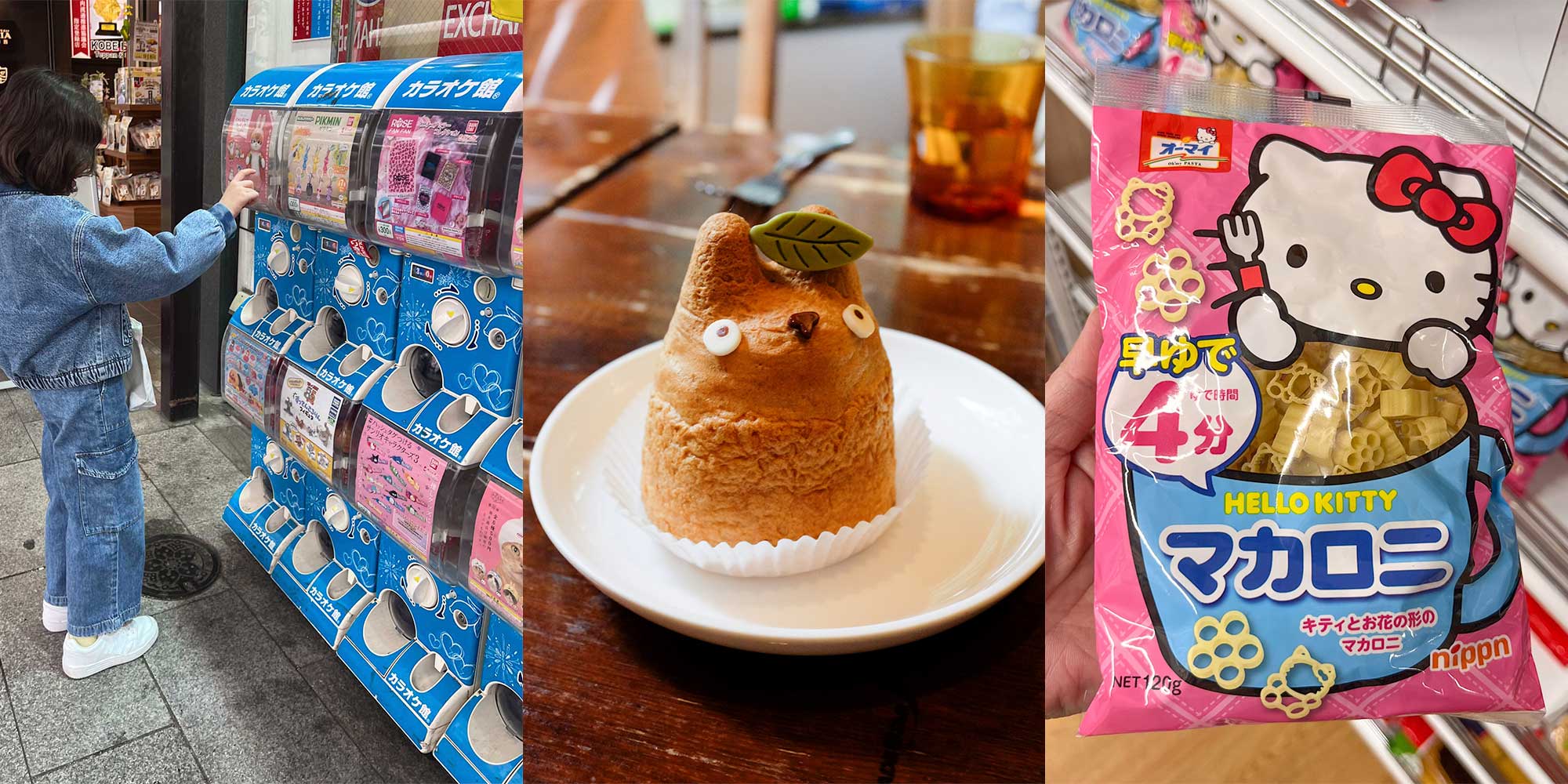
Japan is a paradise for kids (old and young) but, like for any other destination, you need to make time for them in your itinerary too.
- Some parts of travel will always be boring for kids (such as visiting temples and museums), so plan just 1-2 activities per day.
- Factor in time delays due to crowded streets and trains.
- Expect to do lots of walking. My kids walked about 20,000 steps per day in Tokyo.
- My kids enjoyed going to the Gachapon arcades as a reward, where most machines will cost between JPY 300/USD 2 and JPY 500/USD 3. I even recommend stopping at random Gachapon stores throughout the day to boost their motivation. Make sure you have lots of JPY 100 coins on you for this purpose. Many Gachapon stores have machines where you can change notes for coins.
- Place an Airtag in your kid’s backpack, jacket, or pocket. In crowded areas, it can be easy for some kids to get lost.
- Make your kids memorise your phone number with the international dialling code. Alternatively, make your kids carry your phone number on them in case they get lost.
- If your child is not an adventurous eater, Japanese cuisine includes fried chicken (“Karaage”) and crumbed pork (“Tonkatsu”). But McDonald’s exists as an option, and pizza in Japan is actually quite delicious.
- Note that many sushi restaurants put wasabi directly in the sushi. So, if necessary, ask the waiter when ordering to omit the wasabi.
Eating Out in Japan
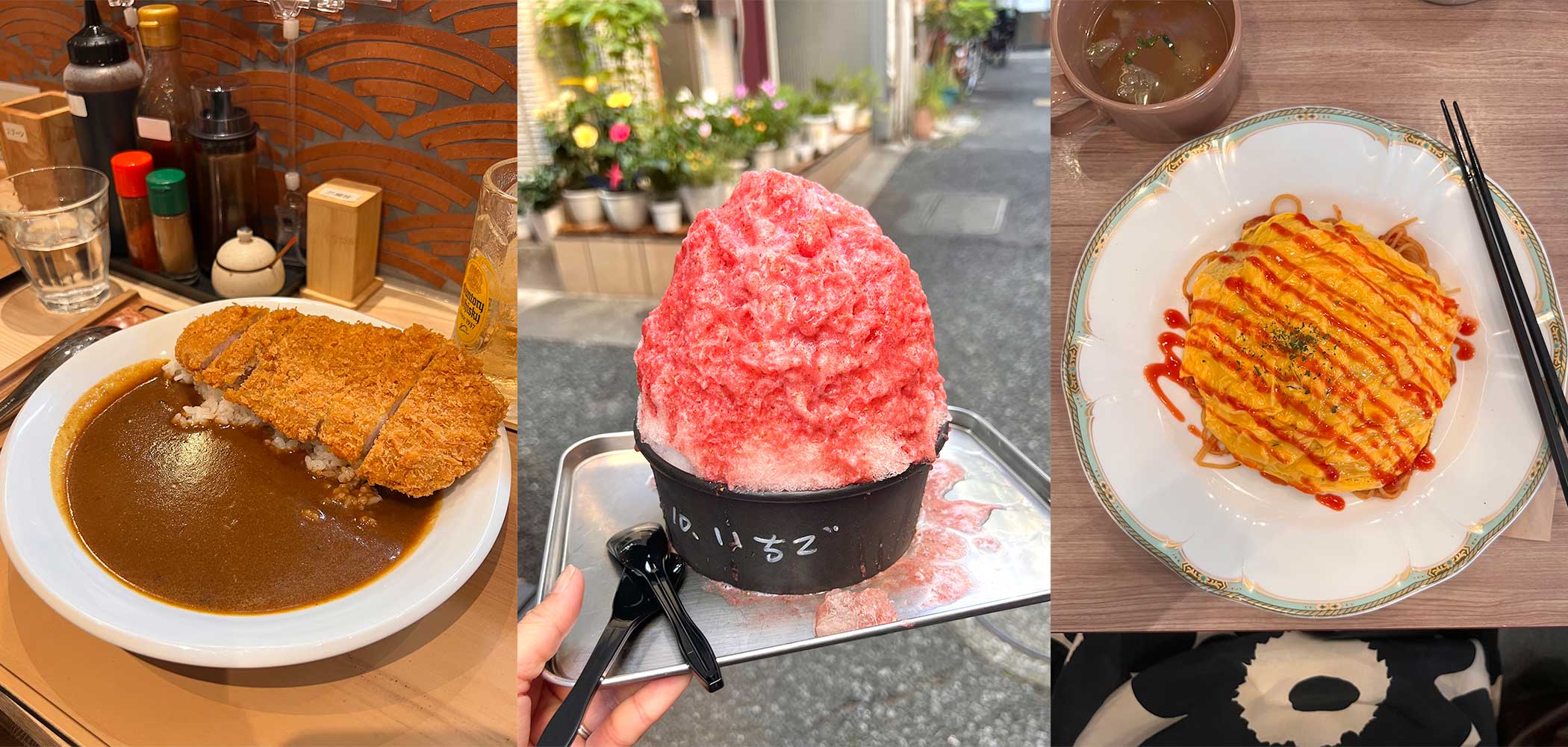
The first time we went to Japan, I planned our meals like I normally would for any other city, i.e. I researched the internet and social media for recommendations on places to eat for lunch and dinner, made reservations where possible, and generally tried to avoid situations where we would have to scour the streets looking at menus, hangry kids in tow, and making bad restaurant decisions on the spur of the moment. Whilst this strategy has worked for most cities where we have visited (e.g. Paris and Milan), I do not recommend this for Japan!
Social media tips on where to eat in Japan have created a ridiculous situation where random shops with average food have queues several hours long, and for no good reason. We fell into this trap on several occasions and whilst the food in some of these places were “ok”, I reckon the other restaurants on the same street probably had similarly good food, if not better.
Tokyo and Kyoto are crammed full of restaurants at street level, in basements, and up high in many stores. My advice is to simply stroll past the restaurants, look at the menus displayed outside, and decide on the spot where you want to eat. Some popular restaurants have a queuing system where you take a ticket upon arrival, or register electronically and receive an SMS when your spot is ready.
Consider reservations only for popular/trendy restaurants which actually require advance booking, or omakase restaurants.
Takeaway Food in Japan
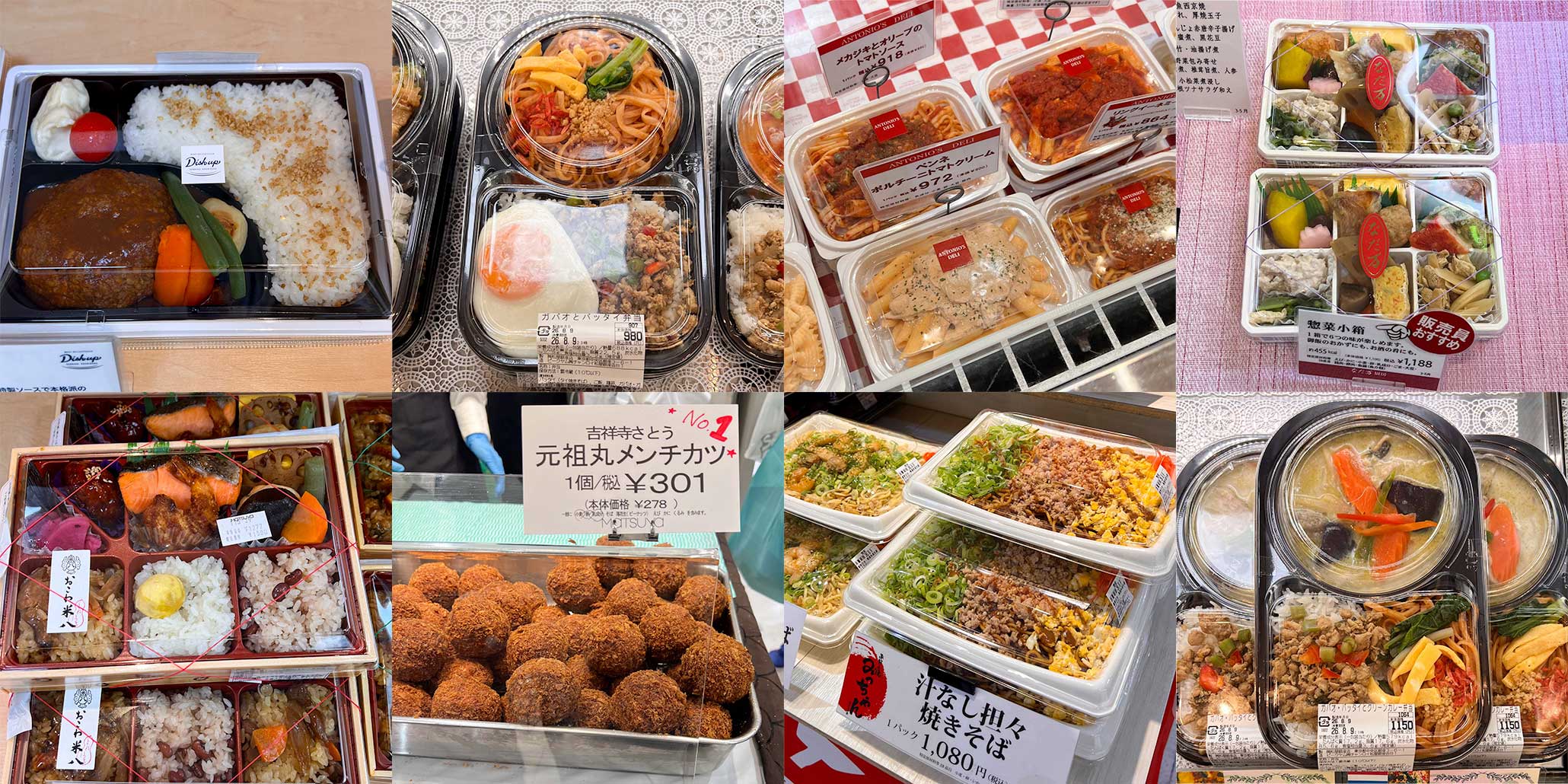
When you are travelling in any country, it is usually hard to get your daily intake of fruit and vegetables. You can find containers with cut fruit at most convenience stores and in the food hall of large department stores, and I also suggest going to a Chinese restaurant for a few meals where you can order plates of stir-fried green vegetables.
And although the food from convenience stores is much better quality than what you might find outside of Japan, you can find better quality take away food from the food halls in the department stores, such as Matsuya Ginza or Mitsukoshi Ginza. Many large supermarkets also have a decent take away section.
In terms of takeaway food, you can find pre-prepared bento boxes, heat-at-home meals, sushi, and onigiri. The large food halls also sell food from other cuisines, such as Thai, Chinese and Italian.
Stationery Stores in Japan
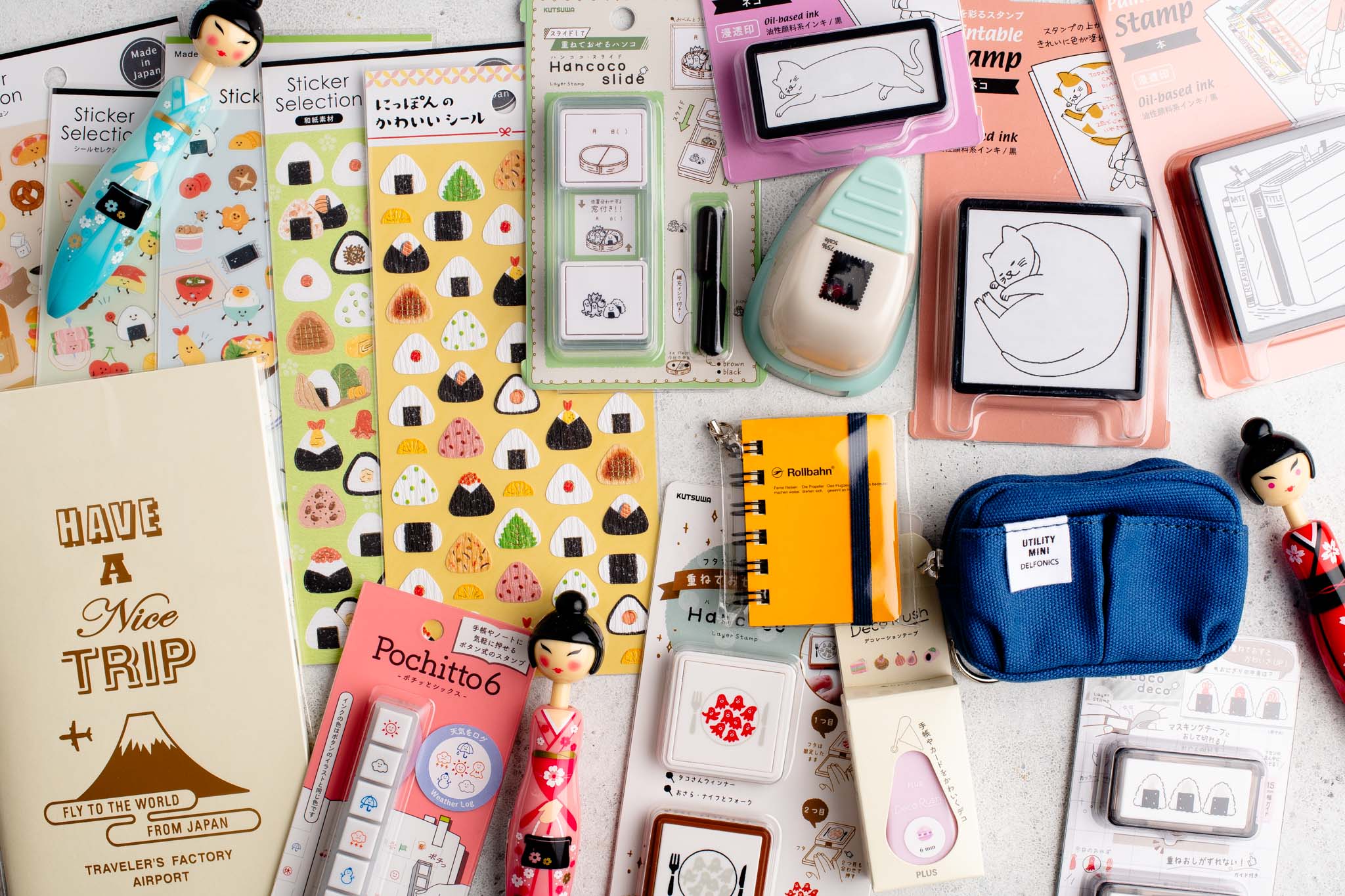
Japanese stationery is on another level, so if you are a fan of stickers, planners and pens, set aside enough time to browse all of the amazing stationery stores. Many bookstores also have a limited range of stationery which are also worth checking out as they tend to stock more local and niche brands.
- Itoya. They have a very comprehensive range of all things concerning stationery, and their store in Ginza features 12 floors with everything you could possibly want. Their collection of journals and planners is excellent, as well as notecards and pens. Their sticker range is more limited than stores like Loft.
- Loft. A paradise of all of your stationery wants and needs, across many different brands. I think they have the best selection of journalling stickers, and more interesting and fun planners.
- Hands. Similar selection to Loft, but not as extensive.
- Traveler’s Factory. This is a particular brand of journals founded in Japan, and their stores sell refills and all paraphernalia related to their journalling system. If you happen to use a Traveler’s Notebook, then a visit to one of their stores is a must to pick up items which are only available in Japan, and sometimes only in that city.
Personalised Onitsuka Tiger Shoes in Tokyo
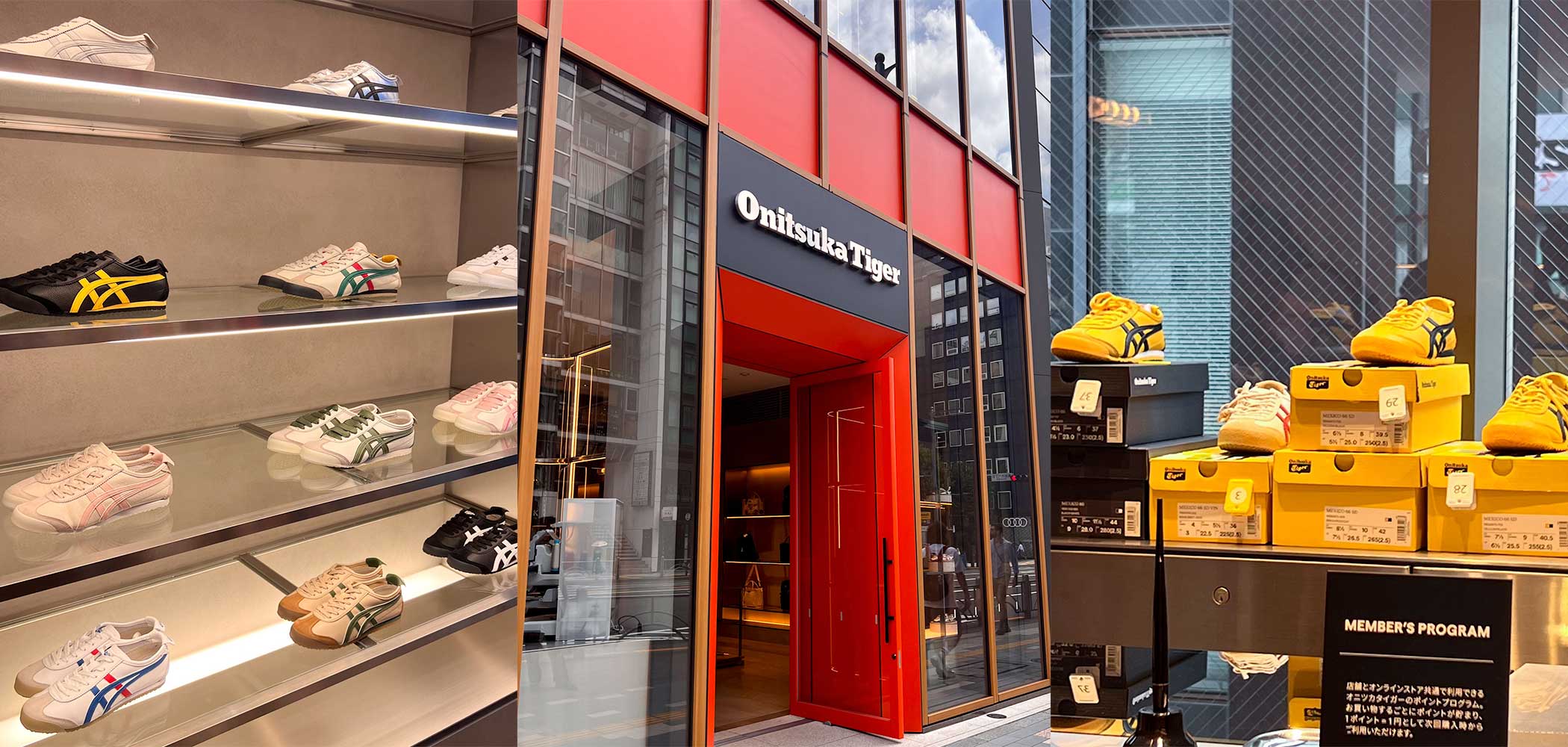
If you are a fan of sneakers, it’s hard to not buy a pair on Onitsuka Tiger shoes when in Japan. And if you happen to be in Tokyo, the Onitsuka Tiger Orange Concept Store in Ginza is the only place where you can buy and personalise a pair of Mexico 66 shoes with embroidered initials.
Many reviews on social media will tell you how it is a hectic process with long waiting lines and chaotic scenes with hundreds of people trying on shoes at the same time. My experience was the opposite (perhaps I was lucky?).
- Only the Onitsuka Tiger Orange Concept Store in Ginza offers the personalisation service (which is free).
- The store opens at 11.00, but the recommendation is to start queuing outside the store from 10.00.
- I arrived at 10.15 and found only one other customer in front of the store. A store employee came out to greet us and gave us instructions on how to register our place in the queue digitally, upon which we were given our number in the queue and told to wait for an email to tell us when we could return the store. I was number 28 in the queue, and received an email to enter the store at 11.30.
- Once you arrive at the store, you can try on whichever shoes you like from the Mexico 66 range upstairs. To make it a quicker process, it is worth researching in advance which models you like, and maybe even try on your size at another store. I already knew which model I was after and completed my shoe choice within 5 minutes of arrival.
- The customisation queue, however, takes some time as people need to decide how they wish to personalise their shoes. You can only personalise one pair of shoes, per person. You are limited to 4 letters, but symbols (a heart or star) count as 2 letters. There is also a choice of colours for the embroidery.
- Once your transaction is complete, you are given a time frame for when to return to the store to collect your shoes. I was able to collect my shoes from 16.00 to 20.00 later that same day.
Overall, I found the process of buying personalised Onitsuka Tiger shoes relatively stress-free, and the process is perhaps even easier if you happen to be staying in Ginza because there is a bit of back and forth to the store (I had to visit the store 3 times in one day).
I paid JPY 18,000/CHF 90/USD 115 for my shoes, which was a saving of about 60% compared to prices in Europe!
Cup Noodle Factory
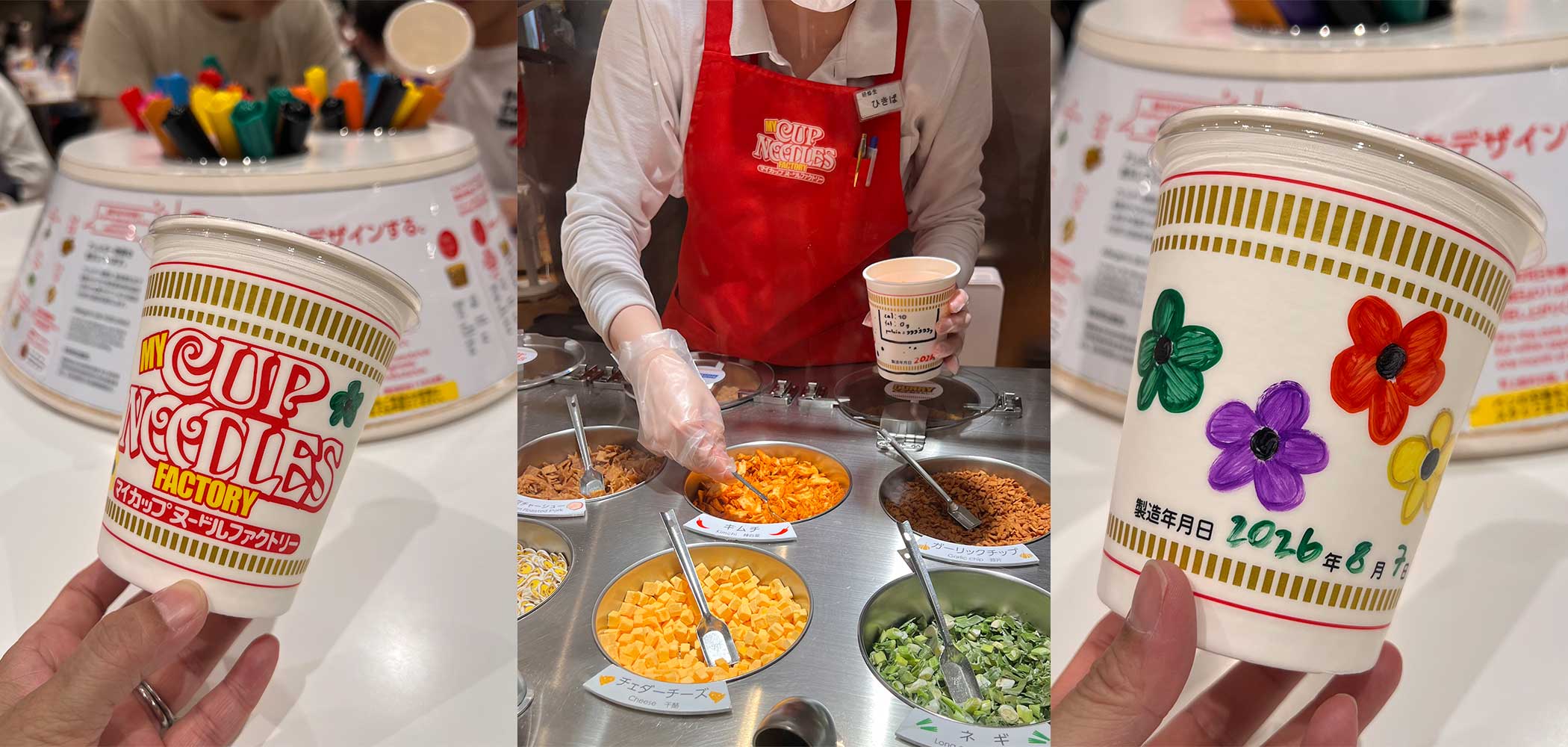
If your kids are into cup noodles, they will enjoy visiting the Cup Noodle Factory where they can customise their own cup noodle packaging and create their own cup noodles from the assortment of flavours and ingredients on offer.
We took a day trip from Tokyo to the Cup Noodle Factory in Yokohama, and spent most of the morning visiting the area before going to our reserved slot in the afternoon.
You should book your time slot in advance, although expect to queue a bit on the day. The room may look very crowded but the employees are very efficient, so the lines tend to move quickly.
Visiting Temples in Japan
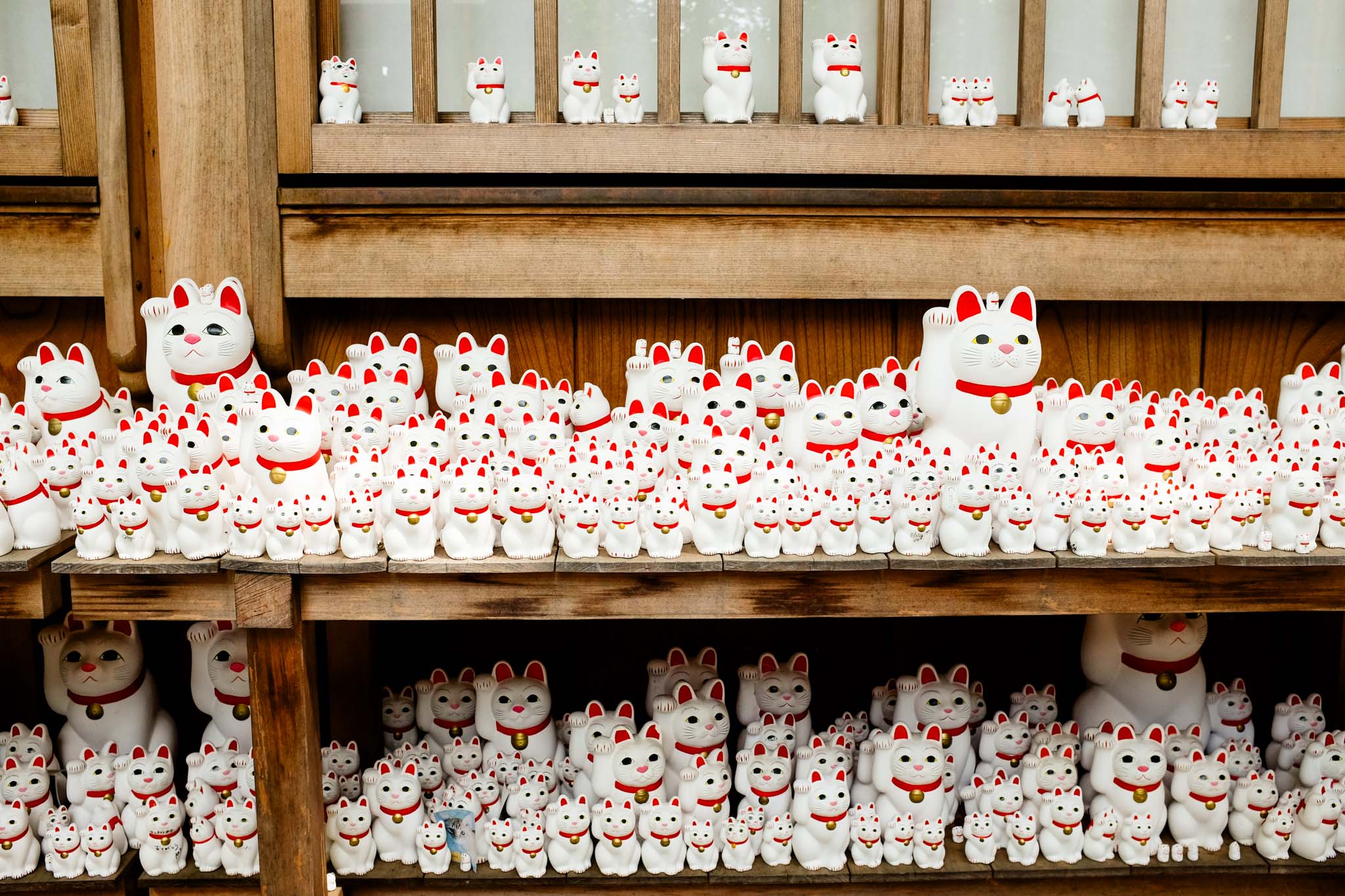
Visiting temples in Japan is a bit like visiting churches in Europe – you need to be respectful of the local customs, as well as the location itself.
Many of the temples made popular on social media are full of influencers and people striking poses all over the place. The worst offenders are those who use tripods in the middle of walkways, making it difficult for other visitors to navigate easily through the area.
If you are visiting a popular shrine or temple, go early in the morning when there are less people (and when the influencers are still in bed). Many temples have large open walkways with little shade, so plan accordingly.
